DA NANG BRIEFING Foreigner field reference Contact
Emergency 115 ambulance 113 police 114 fire *9999 24/7 clinic
02

Housing & Leases

Da Nang's rental market runs on informality, and the paperwork is the only thing protecting you. Most foreigner disputes here are about electricity, deposits and police registration — all avoidable at signing.

3 do · 2 never do

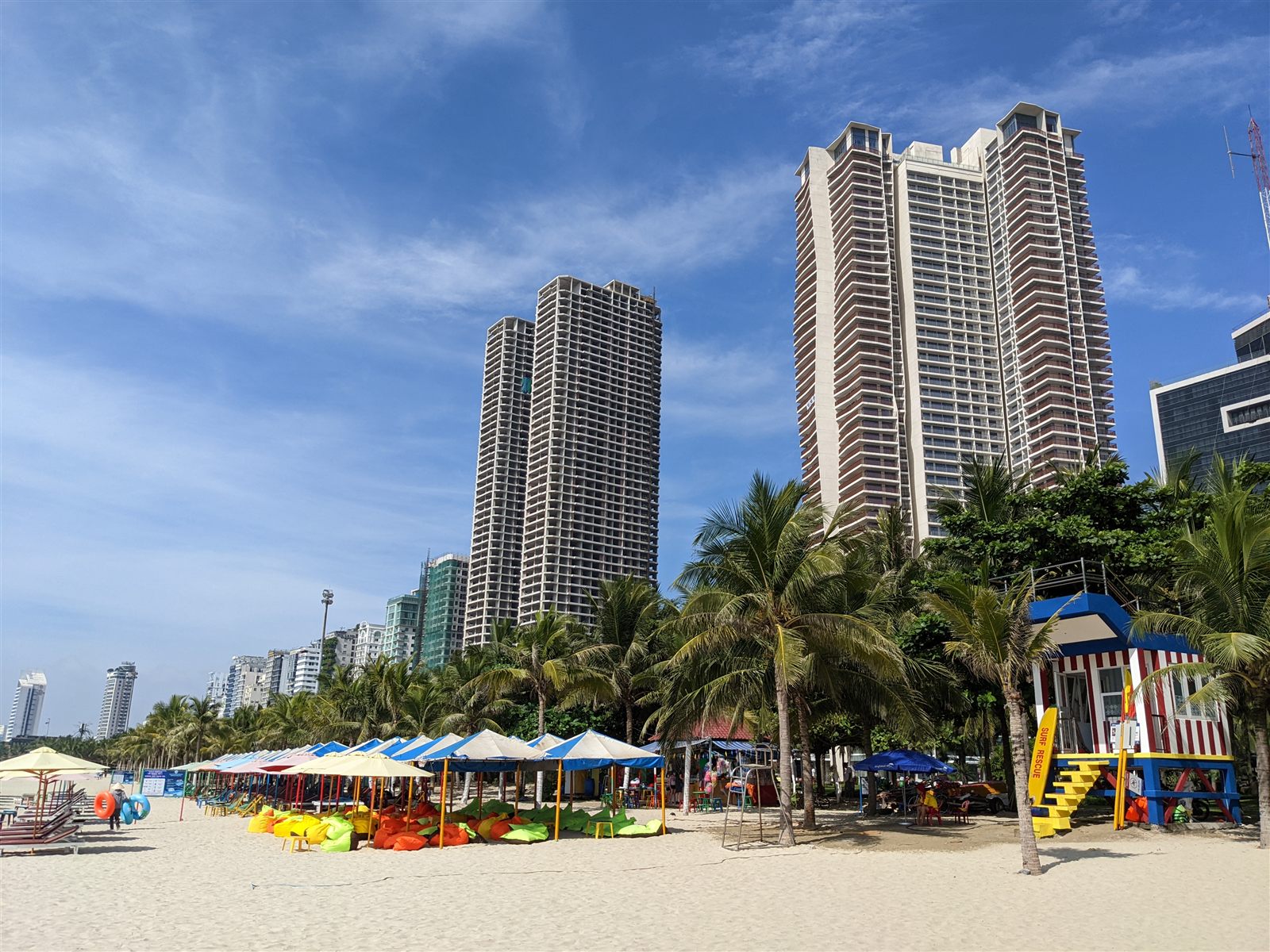
High-rise apartment blocks behind My Khe Beach, Da Nang
Photo Jpatokal · CC BY-SA 4.0

Put police registration (Form NA17) in the lease

Make your landlord's Form NA17 registration a written condition before you pay a deposit.

Your landlord is legally required to register you with the local police. Get that obligation in writing before money moves: an unregistered address complicates visa paperwork, bank accounts and any dispute you later have with the landlord.

Source Official — Vietnamese decree

Insist on a bilingual lease

It should spell out the electricity rate, deposit terms and notice period.

The Vietnamese column governs in a dispute, so read both. Three lines cause almost every argument: the per-kWh electricity rate, exactly what the deposit may be withheld for, and how much notice each side owes.

Source Community-reported

Check flood history, construction and noise

Do it before you sign anything — ask neighbours, not just the agent.

Look at the street rather than the apartment. Da Nang floods, and a ground-floor unit two blocks from a canal behaves very differently in October. Also check what is being built next door: sites start at six in the morning.

Source Community-reported

Don't accept a flat electricity rate

Overcharging above the official EVN tariff is now a fineable offence.

Landlords routinely quote a round number per kWh well above the state tariff, and on a year-long lease with air conditioning that is real money. Ask to see the meter and the EVN bill, and pay the tariff.

Source Official — Vietnamese decree

Don't pay a finder's fee or a remote deposit

Never send a deposit before an in-person viewing or a live video walkthrough.

Listings are free to browse and agents are paid by the landlord, so a fee charged to you is a fee invented for you. Photo sets get recycled between units — insist on seeing the actual apartment, live, before any transfer.

Source Community-reported
Common questions

How much is rent in Da Nang?

A decent one-bedroom apartment runs roughly US$250–500 a month in 2026, with the An Thuong and beachfront areas at the top of that range. Deposits are usually one month's rent, sometimes two for new or luxury units.

Do I need a bilingual lease in Vietnam?

Insist on an English–Vietnamese contract, but know that the Vietnamese column is what governs in a dispute, so read both. Check three lines especially: the per-kWh electricity rate, exactly what the deposit can be withheld for, and the notice period.

What is Form NA17 and who is responsible for it?

It is the temporary residence registration your landlord is legally required to file with the local police using your passport and visa. Make it a written condition of the lease, and note that they must re-register you every time you renew your visa.

Why is my electricity bill so high in Da Nang?

Landlords routinely charge a flat per-kWh rate well above the official EVN state tariff, and on a year-long lease with air conditioning that adds up. Ask to see the meter and the EVN bill and pay the tariff — overcharging is now a fineable offence.

Is it safe to pay a deposit before viewing an apartment in Da Nang?

No. Agents are paid by the landlord, so any fee charged to you is invented, and photo sets are recycled between units. Never transfer a deposit before an in-person viewing or a live video walkthrough of the actual apartment.

Does Da Nang flood?

Yes — parts of the city flood during the October–November rains, and a ground-floor unit near a canal behaves very differently then. Ask neighbours, not just the agent, about the street's flood history and any construction next door.